
Couple’s planning situation
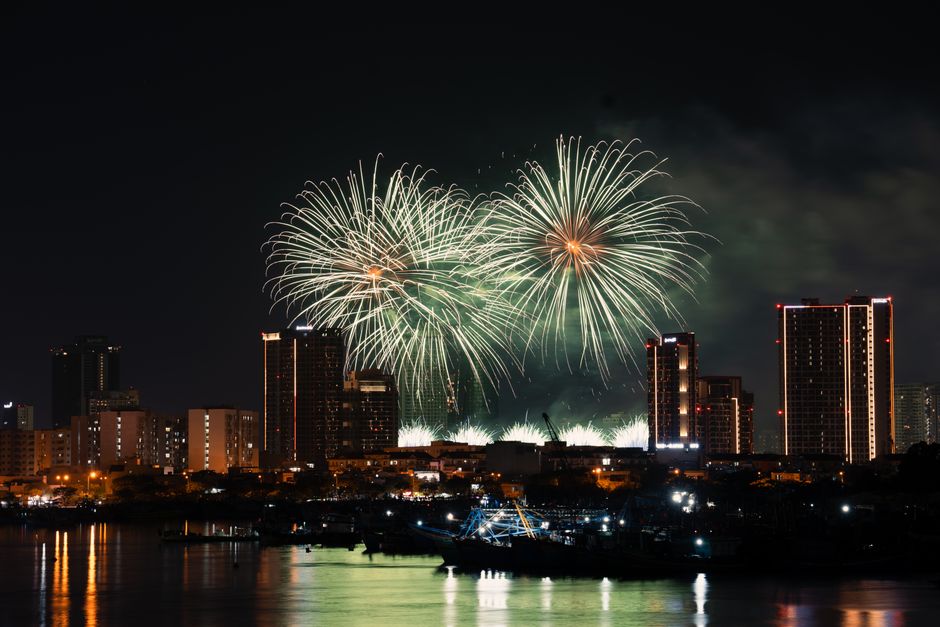
불꽃축제 events along the Han River or coastal cities often close parks and create heavy foot traffic that can affect venue access, noise levels, and transport on your chosen wedding date.
Cross-cultural couples registering marriage in Korea must coordinate legal paperwork, a ceremony that matches both families, and the specific timing for marriage-visa document submission while accounting for festival crowds and municipal permits.
This guide covers how festival timing changes venue choices, legal registration steps, ceremony options and costs, a practical timeline, and the document handoff needed for spouse visas in Korea.
Legal registration
Formal marriage registration in Korea is completed at a local district office (gu-office) or city hall with both parties’ IDs and required foreign documents submitted in person or by proxy where allowed.
Foreign documents usually require notarization, an apostille (a simplified international certification) or Korean embassy authentication, plus certified Korean translations and a certificate of no impediment (proof you are free to marry).
For Korean residents, the local authority records the marriage on the family register and issues official confirmation used in visa applications and name-change processing.
For practical details on municipal procedures and venue-related permits, consult the Seoul municipal event pages and festival advisories (Seoul Metropolitan Government: https://english.seoul.go.kr) and national event guidance (Visit Korea: https://english.visitkorea.or.kr).
Ceremony options
Festival timing forces a trade-off between ambiance and logistics: public events bring spectacle but limit privacy and require extra permits or coordination with city authorities.
Below is a comparison of common ceremony types and how each stands up to a nearby 불꽃축제.
| Type | Practical pros | Practical cons | Typical cost level |
|---|---|---|---|
| Civil registration only | Fast, low paperwork fee, ideal for legal completion before travel. | No celebratory space; families may still want a separate event. | Low |
| Small private venue | Controlled sound and timing; easier to reserve around festival traffic. | Can be pricier in central areas during festival weekends. | Medium |
| Outdoor micro-ceremony near festival | Beautiful backdrop and fireworks atmosphere when allowed. | Requires permits, early arrival, and backup plan for crowds and noise. | Medium |
| Traditional Korean ceremony (pyebaek) | Cultural experience for families, often held in private halls or studios. | Tradition-focused; may need separate reception for larger guest lists. | Medium |
Budget framework
Budgeting around a festival means adding contingency for transport delays, permit fees, and possible overtime charges for vendors.
- Registration fees: Administrative charges at district offices are minimal but factor in translation and certification costs.
- Venue and permits: Private halls avoid permit costs; outdoor ceremonies may need municipal approval and security fees.
- Vendors: Photographer, catering, hair and makeup; consider peak surcharges during major city events.
- Travel and accommodation: Block rooms or earlier transport to mitigate festival-driven shortages.
- Visa processing: Notarization, apostille, and certified translations have direct fees and possible courier costs.
For cost-conscious planning, compare a small private venue against a civil registration plus a modest reception to reduce exposure to festival surcharges.
Timeline
Scheduling becomes more rigid when a 불꽃축제 is in play because transport, parking, and municipal services change on festival days.
- 12–8 weeks before: Confirm legal document list, order notarizations and translations, and check local district office appointment availability.
- 8–6 weeks before: Reserve a venue or confirm civil registration time; if considering an outdoor micro-ceremony, apply early for municipal permits.
- 6–4 weeks before: Book vendors with explicit arrival and overtime terms to cover festival delays.
- 2 weeks before: Reconfirm transport routes, hotel blocks, and where guests should meet if the festival affects signage or access.
- Day of: Allow extra travel time, have printed copies of registration receipts and translations, and set a point-person for vendor coordination.
Marriage-visa document handoff
For foreign spouses applying for a spouse visa (F-6 visa for spouses of Korean nationals), immigration will require the marriage certificate, passport copies, and apostilled or authenticated foreign documents.
Hand over documents in a staged way: finalize notarizations first, then translations, and finally submit the originals to immigration or the consulate as required.
- Notarization and apostille: Obtain at the issuing country before arrival or via embassy services; apostille (an international certification) verifies public documents.
- Certified translations: Use accredited translators and keep both originals and translated copies for immigration and the district office.
- Timing tip: Avoid submitting visa applications on or immediately after a major festival date when government offices may have altered hours or high volume.
Official sources
Check municipal event notices and permit instructions on the Seoul Metropolitan Government pages for Han River events and city permits (Seoul Metropolitan Government: https://english.seoul.go.kr).
For broader festival schedules, safety guidance and travel advisories that can affect guest travel, consult Visit Korea’s event information (Visit Korea: https://english.visitkorea.or.kr).
For venue options and local vendor directories, review venue listings and planning resources such as our Venues page and core Wedding Guide tips.
For honeymoon timing and beauty preparation when scheduling around festival crowds, see our Honeymoon and K-Beauty resources for logistics and styling options.
자주 묻는 질문 (FAQ)
What immediate steps should couples take if a 불꽃축제 falls on their planned date?
Confirm legal registration slot at the district office, check venue access and transit changes, and contact vendors to confirm arrival and overtime policies.
Do outdoor micro-ceremonies require municipal permits near festival sites?
Yes; outdoor ceremonies in public spaces typically require permits and coordination with city event offices due to crowd control and safety rules.
Which documents must foreign partners apostille before Korean registration?
Commonly required are birth certificates, single-status certificates or certificates of no impediment, and divorce or death certificates if applicable—each notarized and apostilled or embassy-authenticated.
Can we complete registration and hold a separate celebration later to avoid festival complications?
Yes; couples often complete the civil registration at a district office and schedule a private reception or photoshoot on a less crowded day.
Where can I find official festival and city permit information?
Refer to the Seoul Metropolitan Government event pages and Visit Korea festival guidance for official notices and safety updates.
Get in Touch
Have questions about your specific situation? Reach out anytime for a personal consultation.