
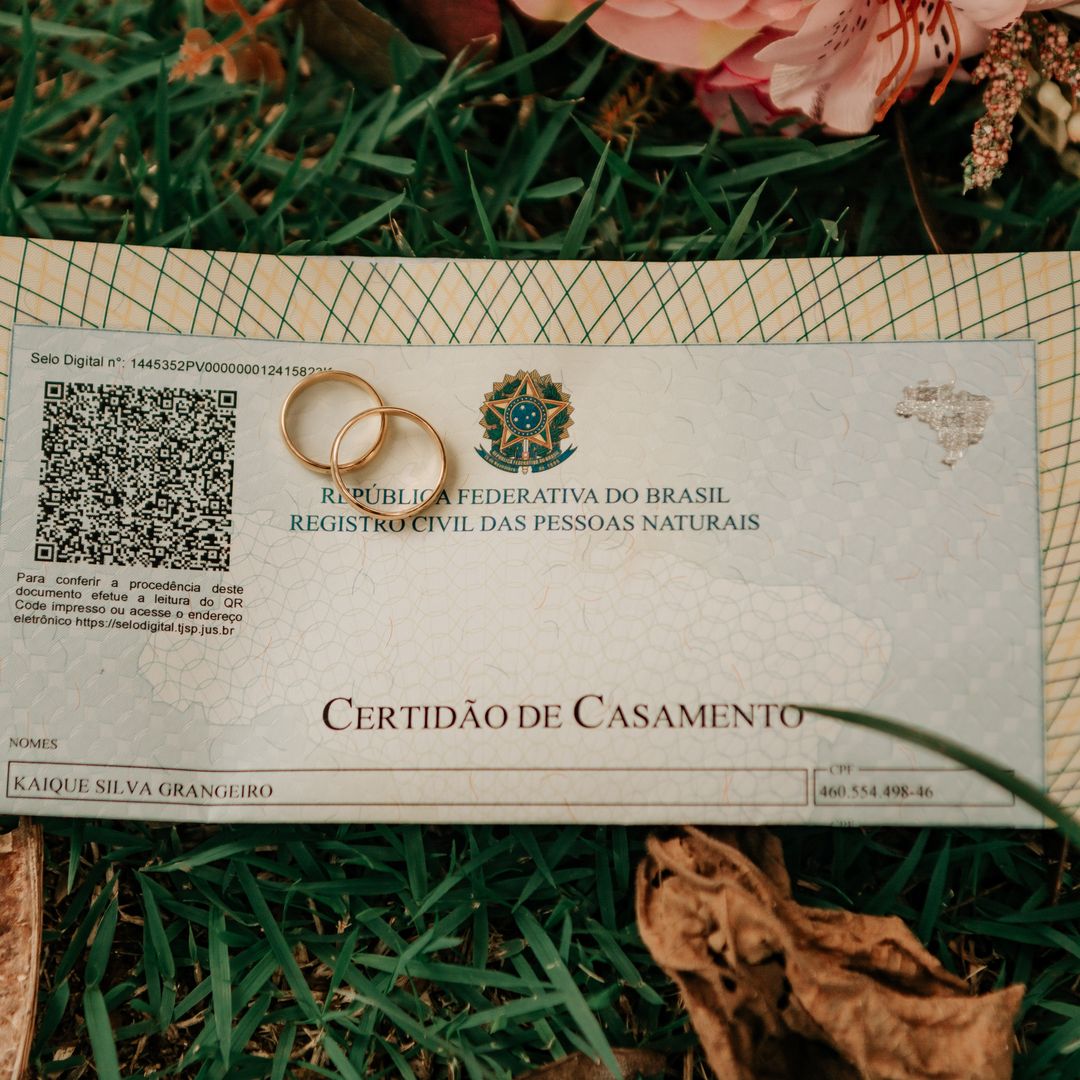

The process of legalizing a union between international partners involves distinct administrative steps that often mirror the careful coordination seen in public media projects like those featuring Ji Ye-eun. Understanding the regulatory landscape is the first step toward a stable life in Korea, as official documentation serves as the bedrock for long-term residency and family benefits. As documented by Statistics Korea (kostat.go.kr), the number of international marriages continues to evolve, necessitating a structured approach to both civil registration and the cultural aspects of the ceremony.
Legal Registration and Administrative Foundations
Registration of an international marriage in Korea requires the submission of specific documents to the local district office (Gu-cheong). Partners must ensure that their respective national documents are properly apostilled or notarized to be recognized under Korean law.
- Identification: Both partners must present valid passports and alien registration cards if applicable.
- Affidavit of Eligibility: A document confirming that neither party is currently married in their home country.
- Translation: Official translations of foreign documents into Korean are mandatory for the registration process.
Prospective spouses can find extensive resources for this phase in our comprehensive Wedding Guide. Proper filing ensures that the union is legally recognized, which is essential for subsequent visa applications.
Ceremony Options and Cultural Integration
Couples often choose to blend modern aesthetics with regional customs to create a meaningful event. Whether opting for a grand hotel venue or a modest private gathering, the balance between personal preference and local etiquette remains vital.
| Ceremony Type | Primary Focus | Planning Requirement |
|---|---|---|
| Modern Western | Guest experience and venue aesthetics | Reservation of banquet halls |
| Traditional | Cultural heritage and family rituals | Specialized attire (Hanbok) |
| Small/Intimate | Budget efficiency and privacy | Venue permit checks |
Incorporating elements like the Paebaek ceremony allows for a respectful nod to history while maintaining a contemporary feel. Many couples prioritize high-quality photography to capture these moments, ensuring that the visual record reflects both heritages equally.
Budget Framework and Financial Planning
Establishing a budget early prevents the common stress associated with wedding planning. Expenses typically include venue rental, catering, photography, and the potential costs of a Honeymoon.
- Venue Costs: Varies significantly by location and the season of the ceremony.
- Document Processing: Fees for translations, notary services, and apostille verification.
- Consultation: Costs associated with professional planners who specialize in cross-cultural logistics.
For those planning to incorporate a Travel component, it is advisable to account for regional tourism trends that might affect accommodation pricing. Monitoring these costs allows couples to allocate funds toward their future life in Korea rather than unnecessary luxury.
Timeline and Marriage-Visa Coordination
The F-6 marriage-based visa process is a separate, rigorous procedure managed by the Ministry of Justice. Applicants must demonstrate financial stability and language proficiency as outlined on Korea.net (korea.net).
- Engagement Phase: Finalize the marriage registration and secure necessary certificates.
- Ceremony Preparation: Coordinate venue bookings at least six to twelve months in advance.
- Visa Application: Submit the completed marriage certificate and financial proof to the immigration office.
- Processing Period: Maintain clear communication with immigration officials if additional documents are requested.
Consistency in documentation is the most effective way to prevent delays during the visa review process. Maintaining an organized folder of all correspondence and receipts will assist in every stage of the immigration journey.
자주 묻는 질문 (FAQ)
What documents are required for international marriage registration in Korea?
You generally need a valid passport, an affidavit of marriage eligibility from your home country, and an official Korean translation of these documents.
How does the F-6 visa process relate to the wedding ceremony?
The ceremony is a personal choice, but the marriage registration must be legally completed before you can apply for a spouse visa based on that union.
Where can I find official guidelines for marriage in Korea?
The most reliable sources are Korea.net for visa information and the Statistics Korea website for demographic and legal context.
Is it necessary to hire a professional planner for a cross-cultural wedding?
It is not mandatory, but a planner can help bridge language barriers and manage complex venue negotiations effectively.
Get in Touch
Have questions about your specific situation? Reach out anytime for a personal consultation.