
Balancing Heritage and Contemporary Ceremony Preferences
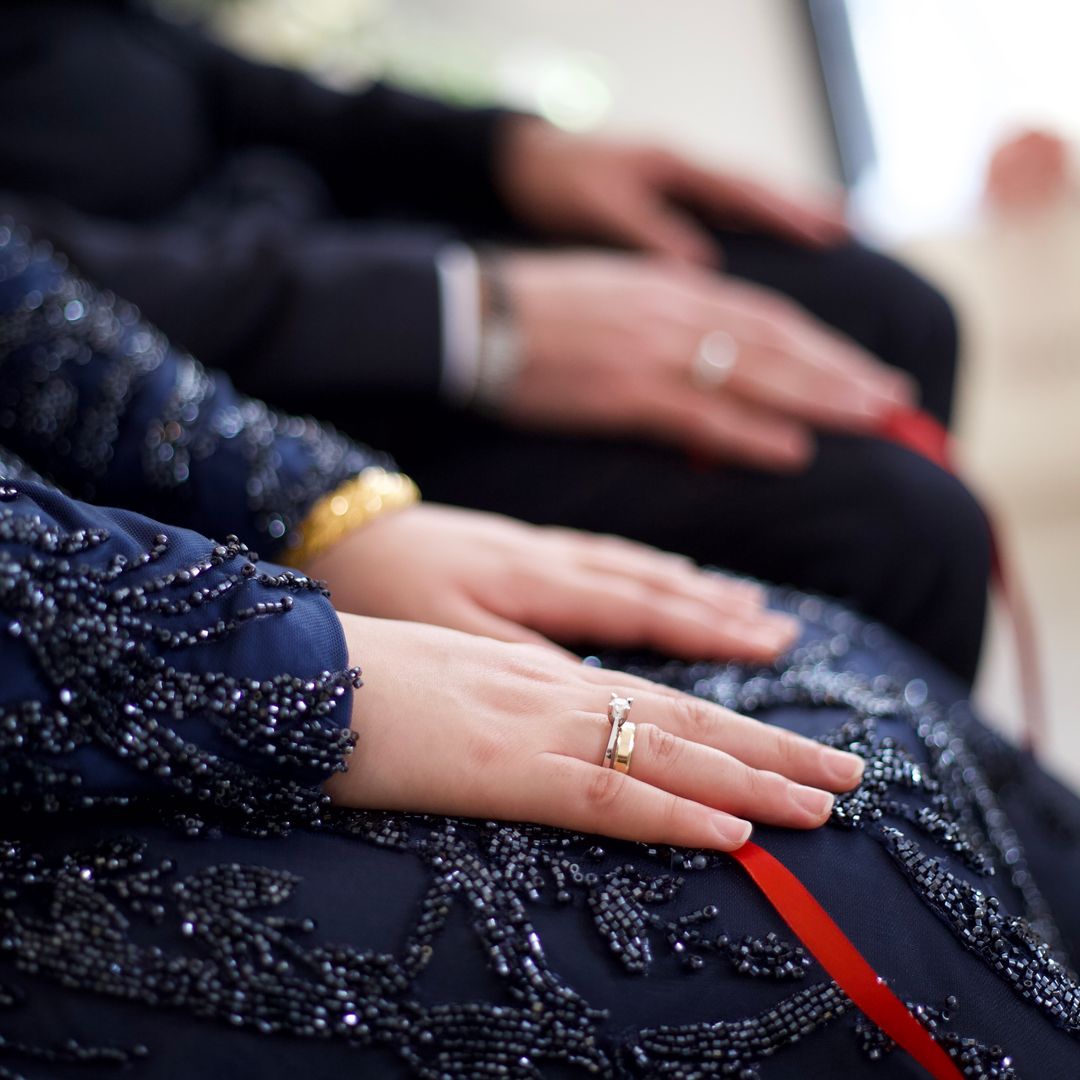
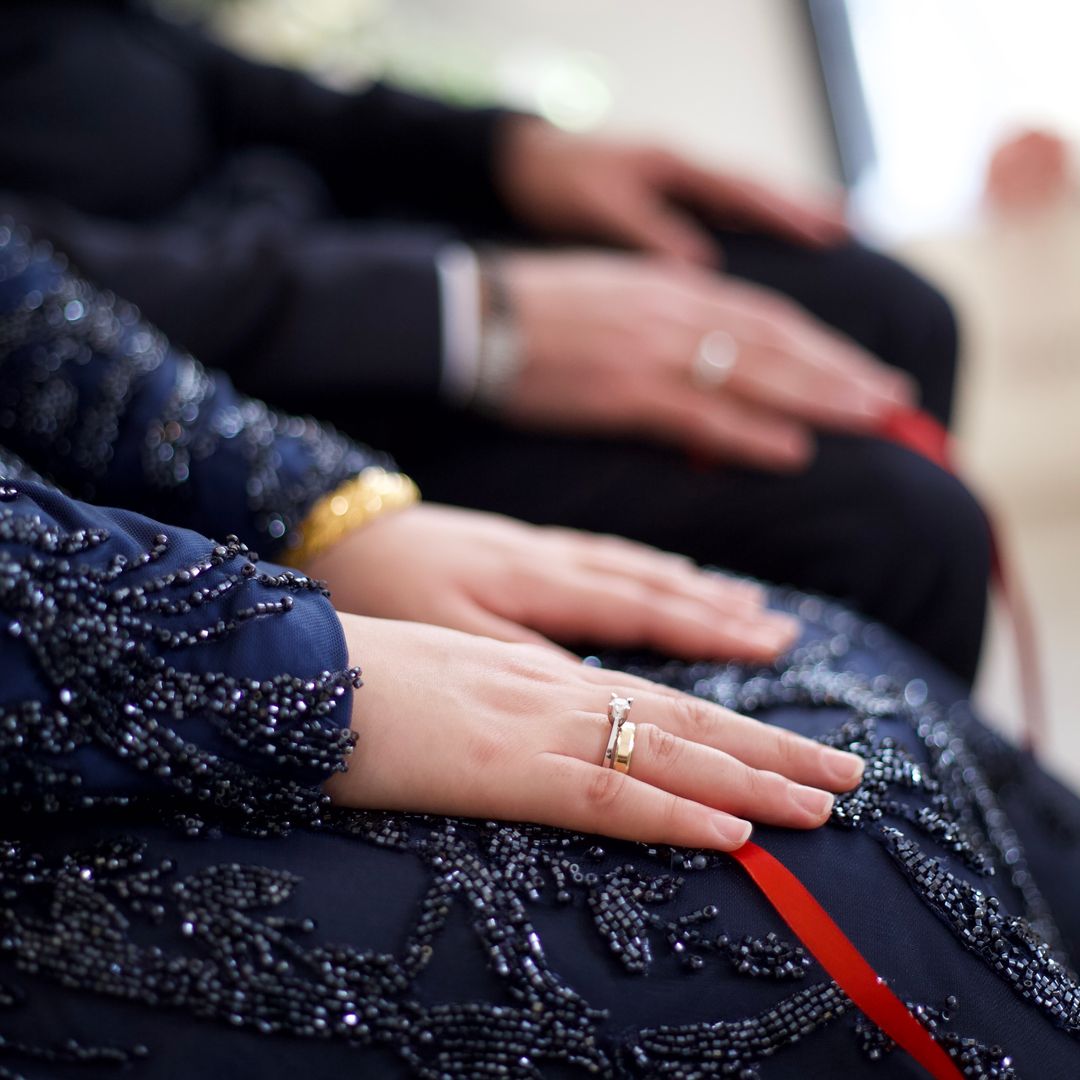
Incorporating a Paebaek ceremony modern wedding practice allows couples to honor Korean heritage while maintaining a streamlined schedule suitable for international guests. This ritual, historically performed to introduce the bride to the groom’s family, involves bowing to elders and receiving blessings in a symbolic display of respect. Many couples now choose to conduct this segment as a private, secondary event to avoid the complexities of a full-scale traditional production. Consulting a Wedding Guide remains the most effective way to coordinate these cultural elements with Western-style reception formats.
Legal Registration Requirements for International Unions
Validating a marriage in Korea requires strict adherence to administrative procedures, regardless of the ceremony style selected. Couples must submit their marriage certificate to the local district office (Gu-office) to establish their legal status. This registration is a prerequisite for subsequent visa applications and provides the necessary foundation for residency documentation.
- Submission: Both parties must visit the district office with their respective identification documents.
- Witnesses: Two individuals, often family members or friends, must sign the registration form.
- Translations: Foreign documents, such as birth certificates or affidavits of eligibility to marry, require official translation into Korean.
Ceremony Format and Cultural Integration
Modern adaptations of the traditional rite often simplify the logistics to ensure the event remains accessible for all attendees. While some venues offer dedicated Traditional suites, others permit a shortened version that focuses on the symbolic exchange of dates and chestnuts. This approach respects the gravity of the ritual without imposing excessive time constraints on a busy event schedule.
| Ceremony Component | Traditional Expectation | Modern Adaptation |
|---|---|---|
| Attire | Full Hanbok rental for both parties | Optional Hanbok or simplified traditional accessories |
| Guest Participation | Restricted to immediate family | Open viewing or private sessions for VIP guests |
| Venue Requirements | Dedicated cultural hall | Flexible space within a hotel or event center |
| Photography | Standard pose sequence | Candid artistic Photography focus |
Budgeting for Dual-Ceremony Events
Managing the financial aspects of a cross-cultural wedding involves accounting for both the main venue costs and the supplemental traditional requirements. Couples often find that bundling ceremony services through a single provider reduces administrative overhead and minimizes hidden fees. Prioritizing essential elements while utilizing resources from a trusted Travel and event partner can help keep total expenditures within the planned budget.
Visa Documentation Coordination
Securing the F-6 marriage migrant visa is the final, critical step in the administrative process for many international couples. Documentation must demonstrate the authenticity of the relationship and the financial stability of the Korean spouse.
- Assemble proof of marriage registration from the Korean government.
- Verify income requirements as mandated by the Ministry of Justice.
- Provide evidence of language proficiency or mutual communication ability.
- Submit the complete dossier to the local Immigration Office for review.
According to data provided by Statistics Korea (kostat.go.kr), the number of international marriages continues to evolve, necessitating clear guidance on administrative requirements. Detailed resources and application templates can be accessed through official portals such as Korea.net (korea.net). All applicants should ensure their documentation is current to avoid delays during the residency permit process.
자주 묻는 질문 (FAQ)
Is a traditional ceremony mandatory for legal marriage in Korea?
No, the legal marriage registration at the district office is the only requirement for a valid union; the ceremony is an optional personal choice.
Can foreigners participate in the traditional bowing ritual?
Yes, the ritual is designed for the couple to pay respects to elders, and many couples find it a meaningful way to welcome international family members into the fold.
Where can I find official requirements for the F-6 visa?
You should consult Korea.net or the official HiKorea portal for the most accurate and up-to-date document checklists for marriage migrants.
How long does the registration process take?
Once all required documents and translations are submitted to the district office, the registration is typically processed within a few working days.
Get in Touch
Have questions about your specific situation? Reach out anytime for a personal consultation.