
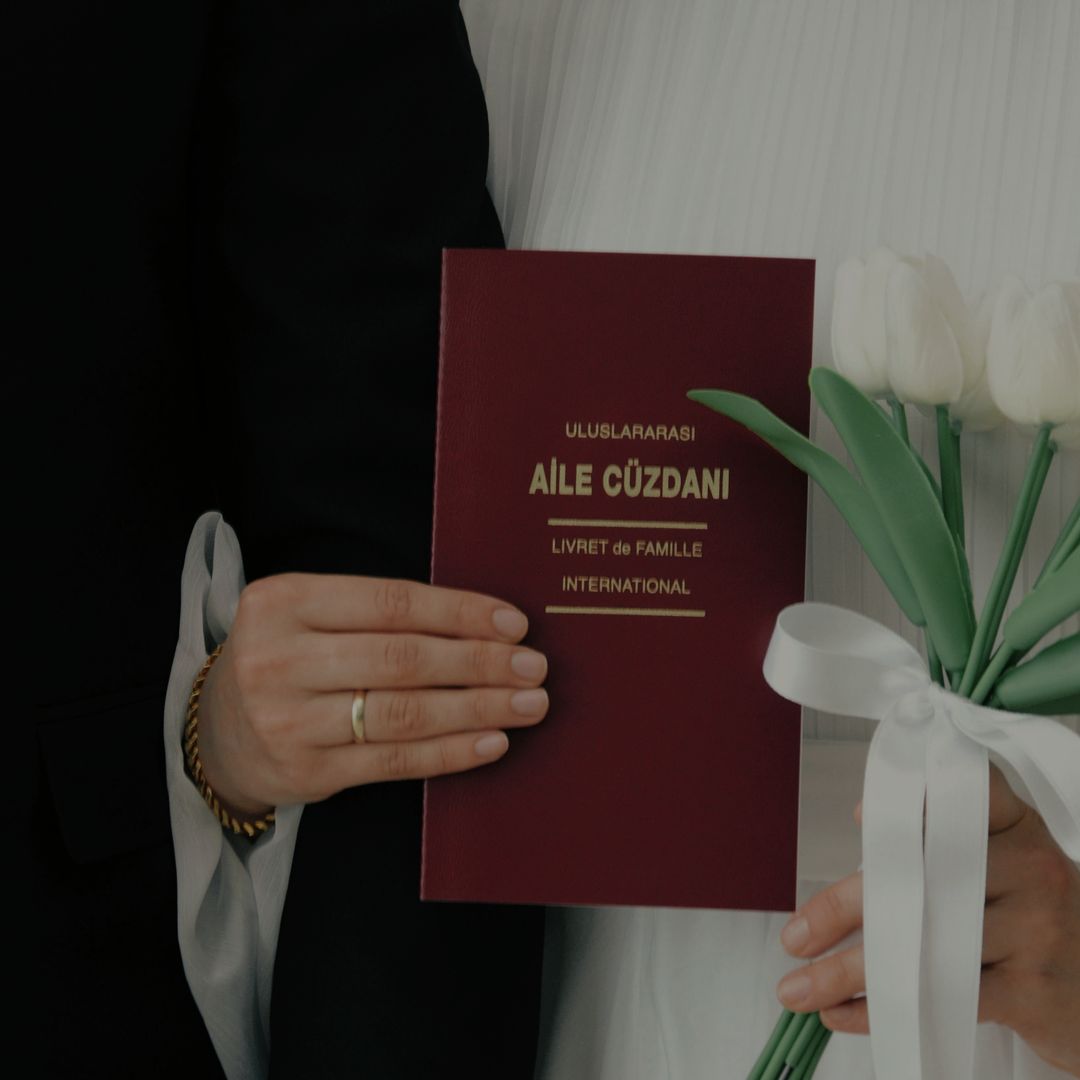

Marriage Registration and Legal Framework
International couples often look to figures like Kim Min-seok (김민석) when considering the public perception of modern, cross-cultural unions in local society. Establishing a legally recognized partnership in Korea requires precise documentation and adherence to local administrative laws.
Couples must first confirm their legal capacity to marry according to the laws of their home countries before proceeding with the Korean district office (Gu-cheong) requirements. Utilizing the comprehensive Wedding Guide ensures that each necessary document, such as an affidavit of eligibility for marriage, is properly notarized and translated.
Ceremony Planning and Venue Selection
Selecting a location remains a primary decision, as it dictates both the atmosphere and the logistical flow of the event. Many couples prioritize high-quality Photography to document the cultural exchange between their families.
Comparing venue types allows couples to align their ceremony with their personal budget and guest list capacity. The following table highlights the distinct characteristics of common wedding settings in Korea.
| Venue Type | Primary Advantage | Logistical Complexity |
|---|---|---|
| Standard Wedding Hall | All-inclusive service packages | Low |
| Luxury Hotel | High customization and prestige | High |
| Small/Outdoor Venue | Intimate and personalized | Moderate |
Financial Planning and Budgetary Considerations
Strategic budget management prevents unnecessary stress during the transition to a new life together. Prospective couples should define their spending limits early, particularly when considering the diverse Venues available across major metropolitan areas.
- Fixed Costs: Administrative fees for document translation and notarization.
- Variable Costs: Catering, professional hair and makeup, and guest gift (Chuk-ui-geum) management.
- Travel Expenses: Planning for family Travel to and from the event location.
Visa Documentation and Administrative Handoff
The transition from a marriage registration to an F-6 spousal visa involves a rigorous review of financial and personal stability. Government authorities require proof of the couple’s ability to support themselves, which often includes income verification and residence certificates.
Maintaining a clear timeline for document submission is vital for a smooth transition. Applicants should verify their specific requirements through official channels to avoid delays in their immigration status processing.
Official Resource Verification
International couples can rely on specific governmental and international organizations for accurate procedural information. These resources help maintain transparency throughout the registration and visa application lifecycle.
- Statistics Korea: Provides current data regarding demographic trends and multicultural family statistics.
- Korea.net: Offers essential information on living in Korea, including visa regulations and government-supported settlement programs.
자주 묻는 질문 (FAQ)
What documents are required for international marriage registration in Korea?
Generally, a valid passport, an affidavit of eligibility for marriage from your home country’s embassy, and a completed marriage registration form are required at the local Gu-cheong.
How does the F-6 visa process impact wedding planning timelines?
Because the F-6 visa requires proof of a legally registered marriage, most couples complete the legal registration process months before the ceremony to ensure immigration status is stable.
Where can I find reliable data on multicultural marriages in Korea?
Statistics Korea (https://kostat.go.kr/eng) provides the most authoritative data on marriage trends, while Korea.net serves as a comprehensive portal for visa and settlement guidance.
Get in Touch
Have questions about your specific situation? Reach out anytime for a personal consultation.