Financial Proof Requirements for F-3 Visa Applicants in Korea 2026

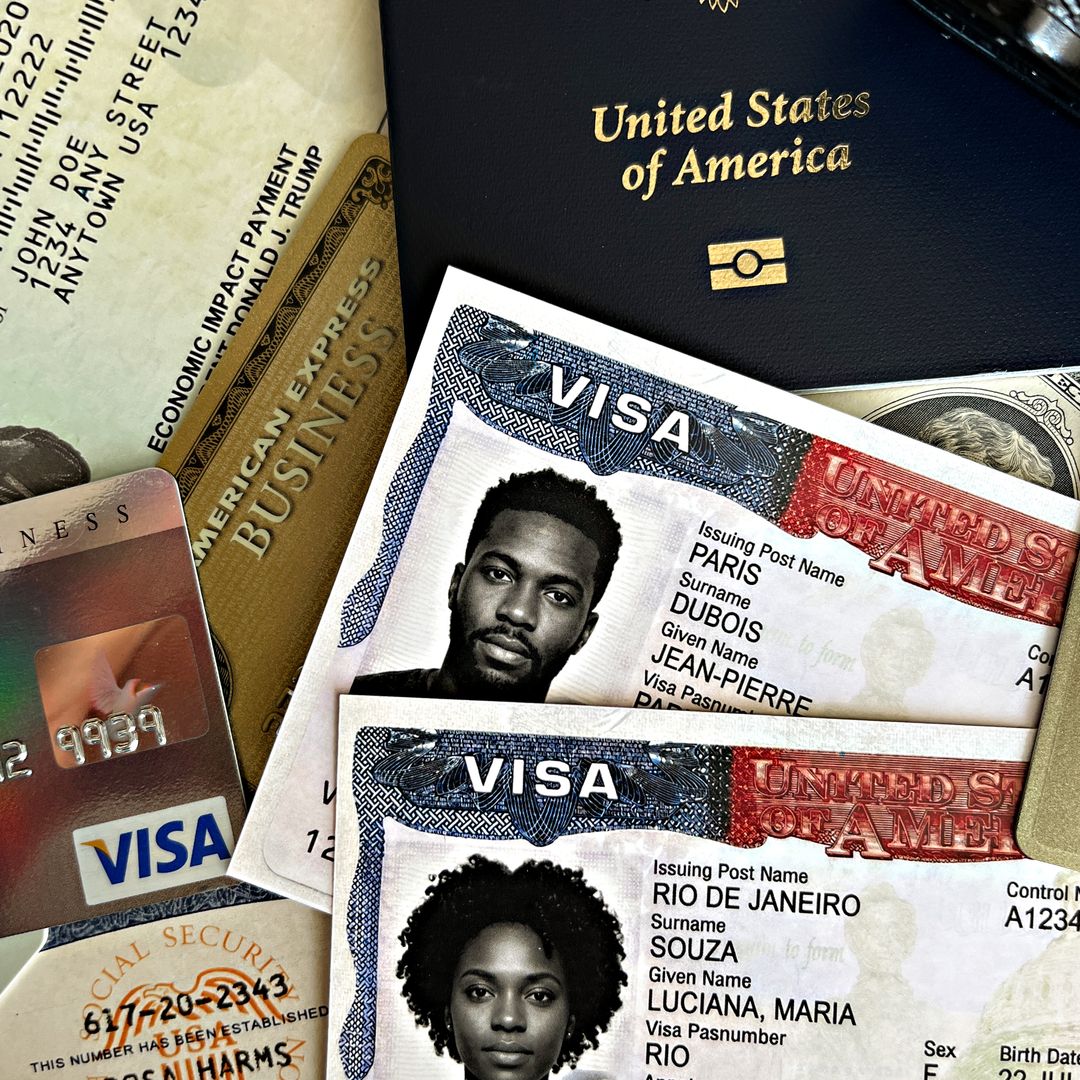
Proving sufficient resources remains a foundational step for expatriates seeking to bring family members to Korea under the F-3 (Family Dependent) visa category. This status allows the immediate family of a primary visa holder to reside in the country, provided the applicant can demonstrate the capacity to support their dependents throughout the duration of their stay.
Navigating F-3 Visa Apostille Documents 2026 for Cross-Cultural Wedding Registration in Korea

Navigating F-3 Visa Apostille Documents 2026 for Cross-Cultural Wedding Registration in Korea

International couples planning to marry in Korea often face specific administrative requirements, including the procurement of F-3 visa apostille documents 2026 for successful cross-cultural wedding registration. This process involves careful coordination of legal documentation and ceremony planning. Understanding these steps early helps ensure a smooth transition into married life in Korea.

Guidelines for Determining Chuk-ui-geum Gift Amount Korea and Ceremony Financial Planning

Guidelines for Determining Chuk-ui-geum Gift Amount Korea and Ceremony Financial Planning

Guidelines for Determining Chuk-ui-geum Gift Amount Korea and Ceremony Financial Planning Determining the appropriate Chuk-ui-geum gift amount Korea requires an understanding of local customs regarding wedding guest contributions. This financial gesture, traditionally presented in a white envelope, serves to help the couple cover the costs associated with the ceremony and banquet. Couples planning their nuptials … 더 읽기

Comparing Luxury Hotel Venues and Standard Wedding Halls for International Couples in Korea

Deciding between a five-star hotel ballroom and a dedicated wedding hall ( wesding hol ) shapes both the financial scope and the guest experience of a ceremony in Korea. International couples frequently weigh extended time slots against structured, high-turnover schedules when evaluating their options.

Securing a US Citizen Marriage Affidavit in Korea for Legal Registration

Completing international paperwork requires careful synchronization between municipal offices and foreign missions in Seoul. Couples organizing their civil union must address foreign documentation before scheduling local appointments.

Merging Traditional Custom and Contemporary Design in Cross-Cultural Marriage Events

Adapting traditional rituals into a modern wedding framework requires careful consideration of both cultural significance and contemporary venue constraints. International couples navigating marriage customs in Korea often seek ways to honor ancestral practices without overwhelming guests who may be experiencing these traditions for the first time.

Procedures for Booking Korean Wedding Venues and Aligning Ceremony Plans with Legal Requirements

Securing a Ceremony Space Securing a venue requires early coordination because many popular locations in major cities reach capacity months in advance. International couples must balance cultural preferences with the logistical realities of local booking systems. When investigating Venues, it is essential to prioritize locations that offer clear contract terms regarding both the ceremony and … 더 읽기

Administrative Steps for Procuring an Apostille Marriage Certificate and F-6 Visa Approval in Korea

International couples marrying in Korea must balance municipal civil paperwork with national immigration requirements simultaneously. Successful legal union requires careful synchronization between local district office registration and consular document authentication.

Resource Allocation and Support Services for Marriage Migrant Pregnancy in Seoul

Resource Allocation and Support Services for Marriage Migrant Pregnancy in Seoul

Marriage Migrant pregnancy support Seoul provides essential resources for international families navigating healthcare and parental benefits within the city. These services are designed to ensure that foreign spouses residing in Korea have access to the same foundational medical and administrative care as domestic citizens.