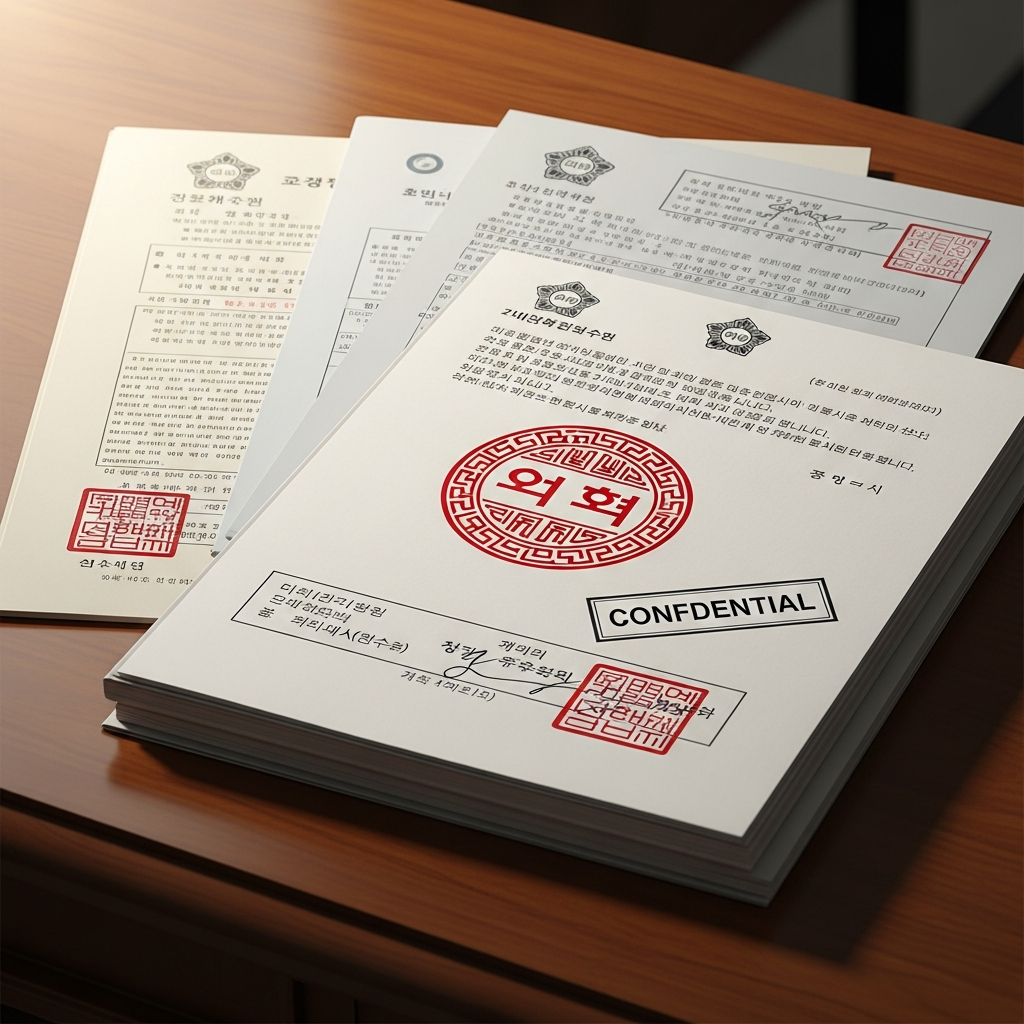
Embarking on Your Journey: A Deep Dive into the F-6 Marriage Visa Process for South Korea
The decision to marry and build a life with a Korean national is an exciting one, filled with dreams of shared futures and cultural immersion. However, the practicalities of making this dream a reality involve navigating the intricate South Korean visa system. For couples where one partner is a foreign national and the other is a Korean citizen, the F-6 Marriage Visa is the gateway to legally residing and building a life together in South Korea. This comprehensive guide will walk you through every step of the F-6 Marriage Visa process, from understanding eligibility to preparing your application and what to expect post-approval.
Understanding the F-6 Marriage Visa: What It Is and Who Qualifies
The F-6 visa is specifically designed for foreign nationals who have entered into a genuine marital relationship with a citizen of the Republic of Korea. It allows the holder to reside in South Korea with their spouse, engage in employment (with some restrictions), and experience life as a married resident.
Key Eligibility Requirements: Laying the Foundation for Your Application
Before diving into the application process, it’s crucial to ensure you meet the core eligibility criteria. These are generally:
- Genuine Marital Relationship: This is the cornerstone of the F-6 visa. The Korean Immigration Service places significant emphasis on verifying the authenticity of your marriage. This means demonstrating a bona fide relationship, not just a marriage of convenience for visa purposes.
- Korean Spouse’s Eligibility: Your Korean spouse must be legally recognized as a Korean citizen and be able to support your stay in South Korea.
- Financial Stability: The Korean spouse generally needs to demonstrate sufficient financial means to support the foreign spouse. This often involves proving income, assets, or a combination thereof.
- Accommodation: You must have suitable accommodation in South Korea.
- Language Proficiency (Sometimes): While not always a strict requirement for the initial F-6 visa, demonstrating some level of Korean language proficiency (or a commitment to learning) can be beneficial and may be required for extensions or permanent residency later.
- Health and Character: Applicants are generally expected to be in good health and have no criminal record that would prevent their entry or stay in South Korea.
The F-6 Marriage Visa Application Process: A Step-by-Step Breakdown
The F-6 visa application can be a detailed process, often requiring meticulous preparation. While specific requirements might vary slightly depending on your country of origin and the Korean Embassy or Consulate you’re applying through, the general steps remain consistent.
Step 1: Marriage Registration in South Korea
Before you can apply for the F-6 visa, your marriage must be legally registered in South Korea. This involves:
- Gathering Documents: This typically includes your marriage certificate application (혼인신고서), identification documents for both spouses (passports, resident registration cards), and possibly proof of your relationship.
- Submitting the Application: The marriage registration is typically done at a local municipal office (시청, 구청, 읍사무소, 면사무소) in South Korea.
- Receiving the Marriage Certificate (or equivalent): Once registered, you will receive a document confirming your marriage, which is essential for the visa application.
Step 2: Preparing Your F-6 Visa Application Documents
This is arguably the most critical stage. Thoroughness and accuracy are paramount. Common documents required include:
- Visa Application Form: Duly completed and signed.
- Passport: Valid for at least six months beyond your intended stay.
- Passport-Sized Photographs: Recent, in accordance with visa photo specifications.
- Proof of Marriage Registration: The official document you received after registering your marriage in South Korea.
- Korean Spouse’s Documents:
- Invitation Letter (초청장): A letter from your Korean spouse inviting you to live with them.
- Family Relations Certificate (가족관계증명서)
- Basic Certificate (기본증명서)
- Resident Registration Certificate (주민등록등본)
- Proof of Financial Support: This can include bank statements, tax returns, or employment certificates demonstrating sufficient income to support the foreign spouse. The exact amount required can vary.
- Foreign Spouse’s Documents:
- Proof of Relationship: This is crucial for demonstrating a genuine marriage. It can include photos together, communication records (emails, chat logs), travel itineraries, letters from friends/family, etc.
- Criminal Background Check: A certificate issued by the police department of your home country, detailing any criminal convictions. This often needs to be legalized or apostilled.
- Health Certificate: A medical examination report from a designated clinic or hospital, confirming you are free from certain infectious diseases.
- Proof of Financial Means (if applicable): If you have your own income, you may be asked to provide proof.
- Proof of Accommodation: This could be a lease agreement, property ownership document, or a letter from your Korean spouse confirming you will reside with them at their address.
- Other Supporting Documents: Depending on your specific circumstances, you might be asked for additional documents, such as birth certificates, previous marriage certificates (if applicable and divorced), or letters of recommendation.
Important Note: Always check the latest document requirements with the specific Korean Embassy or Consulate where you will be submitting your application, as these can be updated periodically.
Step 3: Submitting Your Application
Your F-6 visa application will typically be submitted to the Korean Embassy or Consulate in your country of residence. In some cases, if you are already in South Korea on a different visa (e.g., a tourist visa that allows for marriage registration), you might be able to apply for a change of status directly at a Korean Immigration Office. However, this is less common and usually requires specific circumstances and prior consultation with immigration authorities.
Step 4: Interview and Processing
After submitting your application, you may be called for an interview. The interview is designed to assess the genuineness of your marriage and your intentions. Be prepared to answer questions about your relationship, your future plans in Korea, and your understanding of Korean culture and society.
The processing time for an F-6 visa can vary significantly, ranging from a few weeks to several months. It’s advisable to apply well in advance of your planned relocation.
Step 5: Visa Approval and Entry into South Korea
If your application is successful, you will be issued an F-6 visa. You will then have a specified period to enter South Korea. Upon arrival, you will need to register your residency with the local immigration office and obtain your Alien Registration Card (ARC).
Life in South Korea with an F-6 Visa
The F-6 visa opens the door to a new life in South Korea. Here are some key aspects:
- Employment: F-6 visa holders are generally permitted to work in South Korea, though there might be certain restrictions on the types of jobs or industries you can enter without additional permits.
- Family Life: You can live with your spouse and build your family life together.
- Travel: You can travel in and out of South Korea, but always ensure your visa and ARC are valid.
- Path to Permanent Residency and Citizenship: With continued residence and fulfilling certain criteria, F-6 visa holders may eventually be eligible to apply for permanent residency (F-5 visa) and even Korean citizenship.
Common Pitfalls and How to Avoid Them
Navigating the F-6 visa process can be challenging. Being aware of common pitfalls can save you time and frustration:
- Incomplete or Inaccurate Documentation: This is the most frequent reason for application delays or rejections. Double-check all documents and ensure they are translated and legalized (if required) correctly.
- Lack of Proof of Genuine Relationship: The immigration authorities are vigilant in identifying fraudulent marriages. Provide as much evidence as possible to showcase the authenticity of your bond.
- Insufficient Financial Support: Ensure your Korean spouse’s financial documents clearly demonstrate their ability to support you.
- Misunderstanding Requirements: Always refer to the official website of the Korean Embassy or Consulate or consult with immigration professionals for the most up-to-date and accurate information.
- Applying Too Late: Start the process well in advance of your intended travel date.
Seeking Professional Assistance
The F-6 Marriage Visa process can be complex and overwhelming. If you find yourself struggling with the documentation, legal requirements, or the overall process, consider seeking assistance from a qualified immigration lawyer or a registered immigration consultant specializing in Korean visas. They can provide invaluable guidance, ensure your application is thorough, and help you navigate any complexities.
Conclusion: Your Future Together Awaits
The F-6 Marriage Visa is a significant step towards a shared life in South Korea. While the process requires careful planning, attention to detail, and patience, the reward of building a future with your Korean spouse in the vibrant country of South Korea is immeasurable. By understanding the requirements, diligently preparing your documents, and seeking help when needed, you can successfully navigate the F-6 Marriage Visa process and embark on this exciting new chapter of your lives together.