

Managing Urban Transit Risks and Wedding Planning
Encountering a situation where a 택시가 인도 (taxi drives onto the sidewalk) highlights unexpected local transit hazards that international couples must navigate while traveling to municipal offices or vendor appointments. Staying alert to pedestrian safety is a fundamental part of daily life in densely populated urban centers like Seoul.
Beyond daily safety awareness, partners organizing an international union must synchronize physical travel arrangements with administrative legal steps. Coordinating these logistics ensures that both partners arrive safely at government buildings to complete mandatory filings without transit delays.
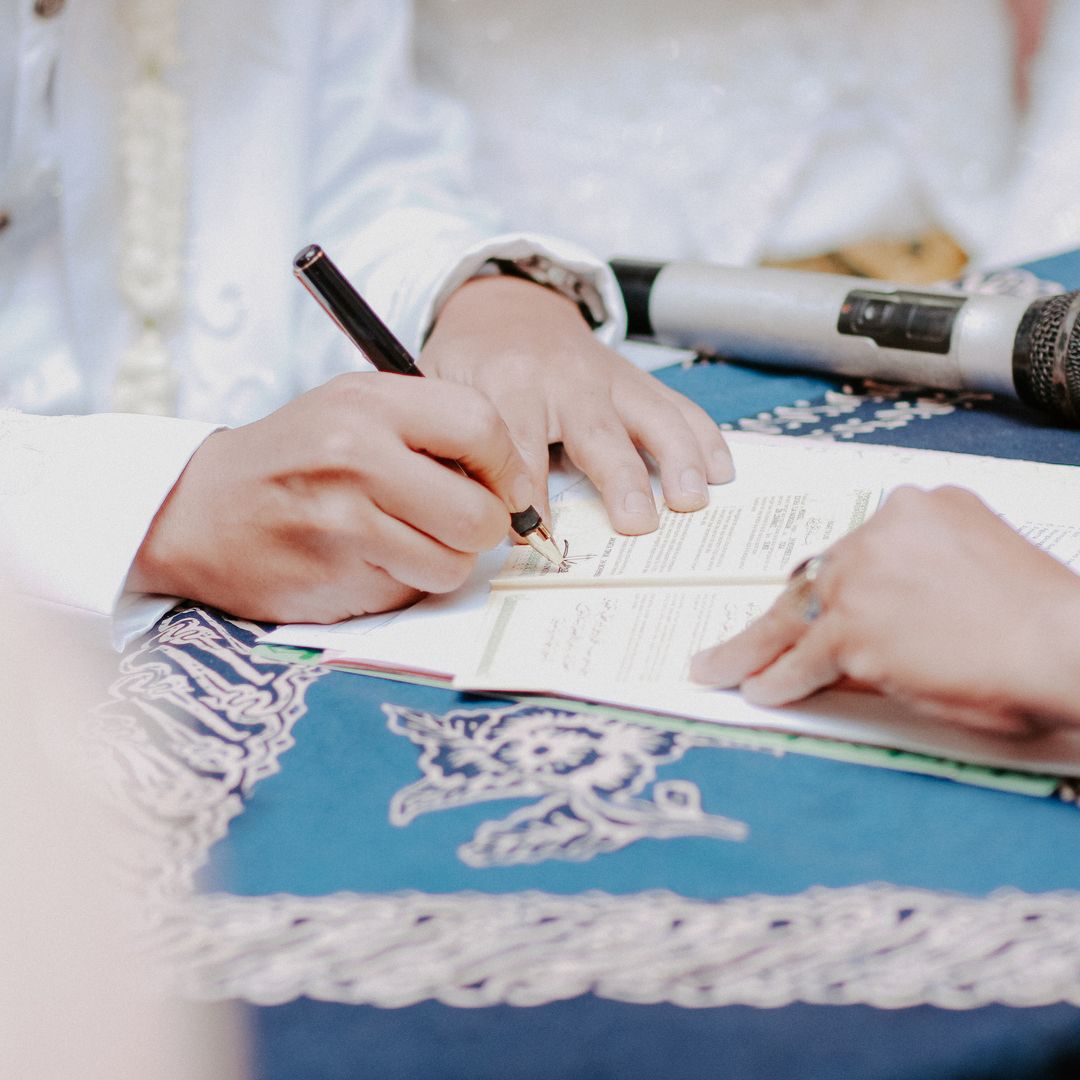
Legal Requirements for Marriage Registration
Registering a cross-cultural marriage in Korea requires submitting specific documentation from both the Korean partner and the foreign national spouse to local district offices (gu-office). Officials typically require valid passports, certificates of family relations, and single-status affidavits authenticated by the respective foreign embassy or consulate.
Couples must ensure that all foreign documents are officially translated into Korean and notarized before submission. The following breakdown outlines the primary administrative stages required to establish legal marital status.
- Document Gathering: Acquiring birth certificates, passports, and proof of marital status from home countries.
- Translation & Notarization: Converting all foreign-language paperwork into certified Korean translations.
- Gu-Office Submission: Presenting completed forms alongside two witness signatures at the local district office.
- Family Registry Update: Processing the marriage certificate to reflect the union within the national civil registration system.
Ceremony Formats and Cultural Choices
Deciding how to celebrate the union involves balancing personal preferences, family expectations, and venue logistics across different styles. Couples can choose from modern hotel ballrooms, intimate restaurant gatherings, or heritage-inspired formats that highlight local customs.
For couples interested in heritage aesthetics, exploring Traditional ceremonies offers a meaningful connection to historical Korean customs. Alternatively, securing modern Venues requires advance reservation to accommodate guest lists and catering requirements smoothly. Documenting these moments requires professional coordination, making it helpful to review sample portfolios through specialized Photography providers before booking a studio.
Financial Framework and Budget Allocation
Establishing a realistic budget prevents financial strain during the wedding planning process by separating mandatory administrative fees from optional celebration expenses. Couples frequently allocate funds across venue rental, catering, attire, and documentation fees.
| Expense Category | Primary Cost Components | Estimated Budget Share |
|---|---|---|
| Legal & Administrative | Translation, notarization, visa document processing | Low |
| Ceremony & Venue | Rental fees, seating, sound equipment, staff | Moderate to High |
| Catering & Reception | Buffet or course meals per guest, beverages | High |
| Attire & Grooming | Hanbok rental, tuxedo, bridal gown, and K-Beauty styling sessions | Moderate |
Comprehensive Preparation Timeline
Structuring the planning schedule across several months prevents last-minute document expirations and booking conflicts. A phased approach allows partners to handle bureaucratic hurdles before focusing on aesthetic details.
- Months 6 to 5 Prior: Collect foreign civic documents, schedule required language or health assessments, and outline the target budget.
- Months 4 to 3 Prior: Finalize translation and notarization steps, tour celebration spaces, and reserve primary service providers.
- Months 2 to 1 Prior: Submit marriage paperwork to the local district office and schedule final fittings for attire and grooming.
- Month of Event: Confirm final guest counts, review transportation safety plans, and prepare files for the subsequent spouse visa application.
F-6 Visa Document Coordination
Following the successful legal registration of the marriage, foreign spouses typically transition to the F-6 marriage-immigrant visa status to reside legally in the country. This administrative phase requires demonstrating financial stability, mutual communication ability, and residential suitability as outlined by immigration authorities.
Applicants must compile tax certificates, housing leases, and criminal background checks according to guidelines provided by official portals such as Korea.net. Ensuring all forms match immigration criteria prevents processing delays during the visa endorsement stage.
Official Institutional References
Accessing verified government databases helps couples stay informed regarding demographic trends, legal updates, and administrative guidelines. Statistical data regarding international marriages is regularly published by Statistics Korea to reflect evolving societal patterns.
Utilizing these authoritative resources ensures that all legal filings and personal preparations align with current national regulations. Maintaining open communication with municipal offices further supports a smooth transition for newly married international households.
자주 묻는 질문 (FAQ)
What immediate steps should international couples take when starting marriage registration in Korea?
Couples must gather required civil documents from their home countries, obtain certified Korean translations, and submit them alongside valid passports and witness signatures at a local district office (gu-office).
How does a cross-cultural marriage registration affect the F-6 visa application process?
Legal registration serves as the mandatory prerequisite for applying for the F-6 marriage visa, after which applicants must submit proof of income, housing stability, and communication ability to immigration authorities.
Where can international couples find official demographic data on multicultural families in Korea?
Official statistical data, population trends, and demographic reports are published regularly by Statistics Korea through their English portal.
What precautions should pedestrians take regarding urban traffic safety in major Korean cities?
Pedestrians should remain vigilant at intersections and crosswalks, stay alert to unexpected vehicle movements on sidewalks or narrow alleyways, and follow designated pedestrian signals closely.
Get in Touch
Have questions about your specific situation? Reach out anytime for a personal consultation.