
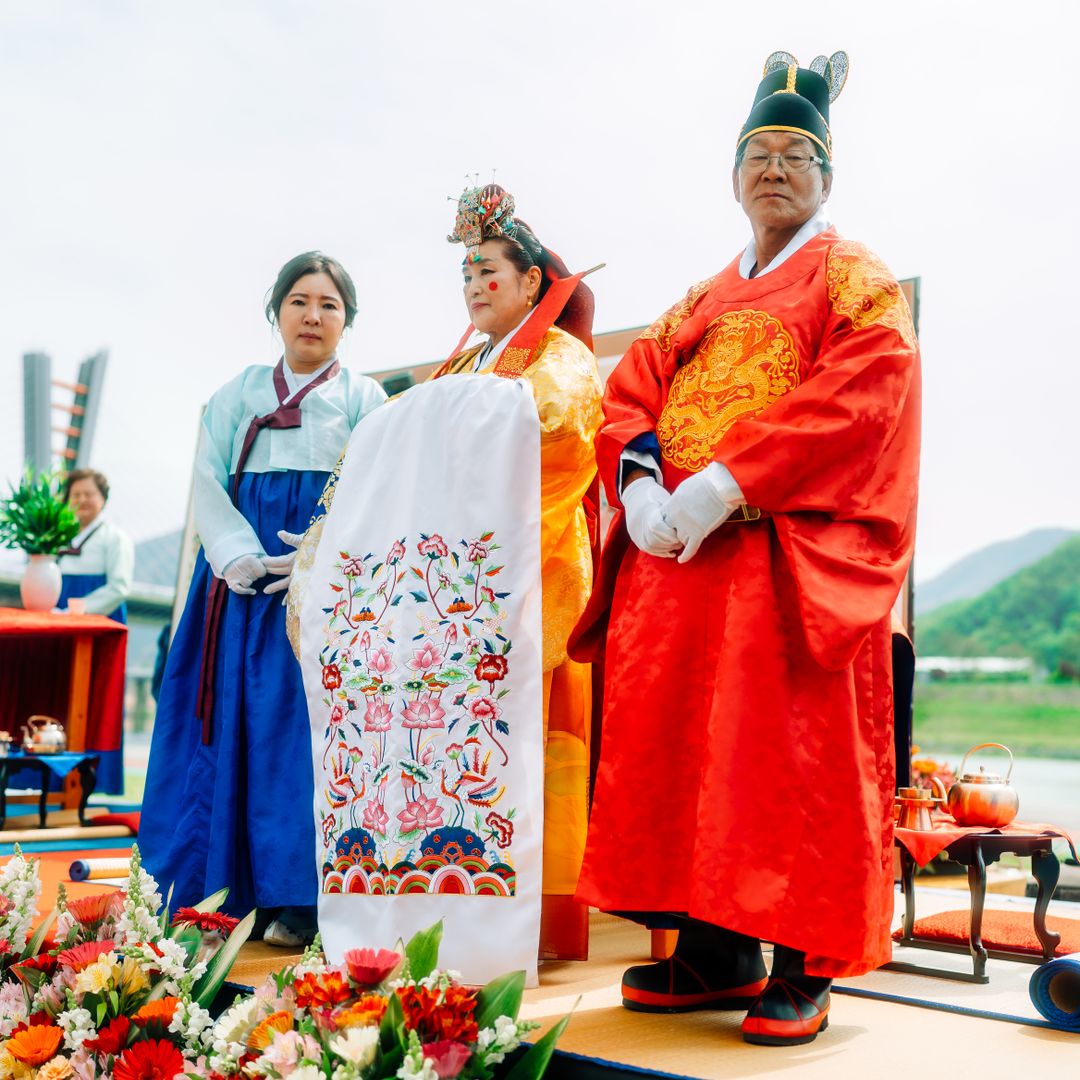

Understanding Modern Wedding Guest Customary Expectations
Preparing to attend a domestic ceremony as an international guest requires familiarity with established behavioral norms and financial practices. Knowing what to wear, how to deliver monetary gifts, and when to arrive ensures a respectful and stress-free experience for both attendees and the marrying couple.
Cultural nuances shape every part of the day, from greeting family members to navigating bustling reception halls. As shared in resources focusing on Korea Culture, understanding these unwritten social codes builds positive relationships within multicultural communities.
Legal Registration Realities Before the Big Day
While friends and family focus on attending the celebration, couples themselves must manage official paperwork alongside their social calendars. Legally formalizing a union requires submitting specific documents to local district offices (gu-cheong) to ensure recognition under domestic law.
According to data published by Statistics Korea (https://kostat.go.kr/eng), cross-cultural unions comprise a significant and steady portion of total annual household formations nationwide. Couples must carefully coordinate birth certificates, certificates of single status, and translated affidavits before visiting government offices together.
Evaluating Ceremony Formats and Venue Selection
Deciding where to host family and friends involves balancing guest capacity, catering styles, and scheduling constraints across different types of locations. Contemporary celebrations range from conventional hotel ballrooms to specialized private halls.
Couples mapping out their layout often explore professional Venues that handle multiple ceremonies per day with structured timing. When selecting physical spaces, keeping guest flow and seating arrangements in mind prevents bottlenecks during peak arrival hours.
Structuring Financial Frameworks and Monetary Gifts
The traditional gifting system relies on cash contributions placed inside specialized envelopes rather than physical household items. Guests must decide on appropriate gift amounts based on their relationship depth with the couple and the venue type.
| Relationship Tier | Typical Cash Gift Amount | Meal Ticket Inclusion |
|---|---|---|
| Casual Acquaintance / Coworker | 50,000 KRW | Includes buffet access |
| Close Friend / Direct Family | 100,000 KRW or higher | Includes buffet access |
| Attending Remotely (Sending Funds) | 30,000 to 50,000 KRW | No meal ticket needed |
Budgeting for these events also extends to the post-ceremony period, where newlyweds frequently allocate remaining funds toward a planned Honeymoon destination abroad or domestically. Clear communication regarding guest counts helps organizers order precise catering quantities to avoid food waste.
Timeline Coordination and Guest Arrival Schedules
Managing the flow of attendees requires strict adherence to scheduled arrival windows, as metropolitan halls operate on rapid timelines. Guests typically arrive thirty minutes prior to the scheduled start to greet the couple and process financial gifts.
- Arrival window: Reach the lobby at least thirty minutes early to avoid missing the brief processional.
- Gift processing: Present your envelope at the reception desk to receive your meal voucher.
- Photo sessions: Join family and friend group photos on stage immediately following the main ceremony.
Couples wishing to document these moments professionally often coordinate with specialized vendors found via Photography portfolios. Establishing a clear timeline prevents confusion among international guests who may be experiencing local formatting for the first time.
Marriage-Visa Document Handoff and Verification
Following the conclusion of festivities, foreign spouses must transition their legal status to a spouse visa (F-6) by submitting complete evidence of their marital relationship. Immigration offices require proof of genuine relationship status, financial stability, and shared residency.
Official guidance provided through Korea.net (https://www.korea.net) outlines the mandatory health checks, language proficiency proofs, and background clearances required for approval. Submitting accurate translations and notarized documents directly to immigration officials prevents costly processing delays.
자주 묻는 질문 (FAQ)
How much money should a guest put in the wedding envelope?
The standard amount is 50,000 KRW for acquaintances or coworkers, and 100,000 KRW or more for close friends and family members. Always use crisp bills inside a clean envelope provided at the venue reception desk.
What is the proper dress code for attending a wedding in Korea?
Guests generally wear neat, conservative business casual or semi-formal attire. It is customary to avoid wearing pure white clothing, as that color is traditionally reserved for the bride.
Do wedding guests need to stay for the meal after the ceremony?
Staying for the buffet reception is a polite way to congratulate the couple and thank them for the invitation. Guests receive a meal ticket when dropping off their monetary gift at the reception desk.
Where can foreign spouses submit their marriage visa paperwork?
Applications for the spouse visa are processed through local immigration offices having jurisdiction over the couple’s residential address within the country.
Get in Touch
Have questions about your specific situation? Reach out anytime for a personal consultation.