
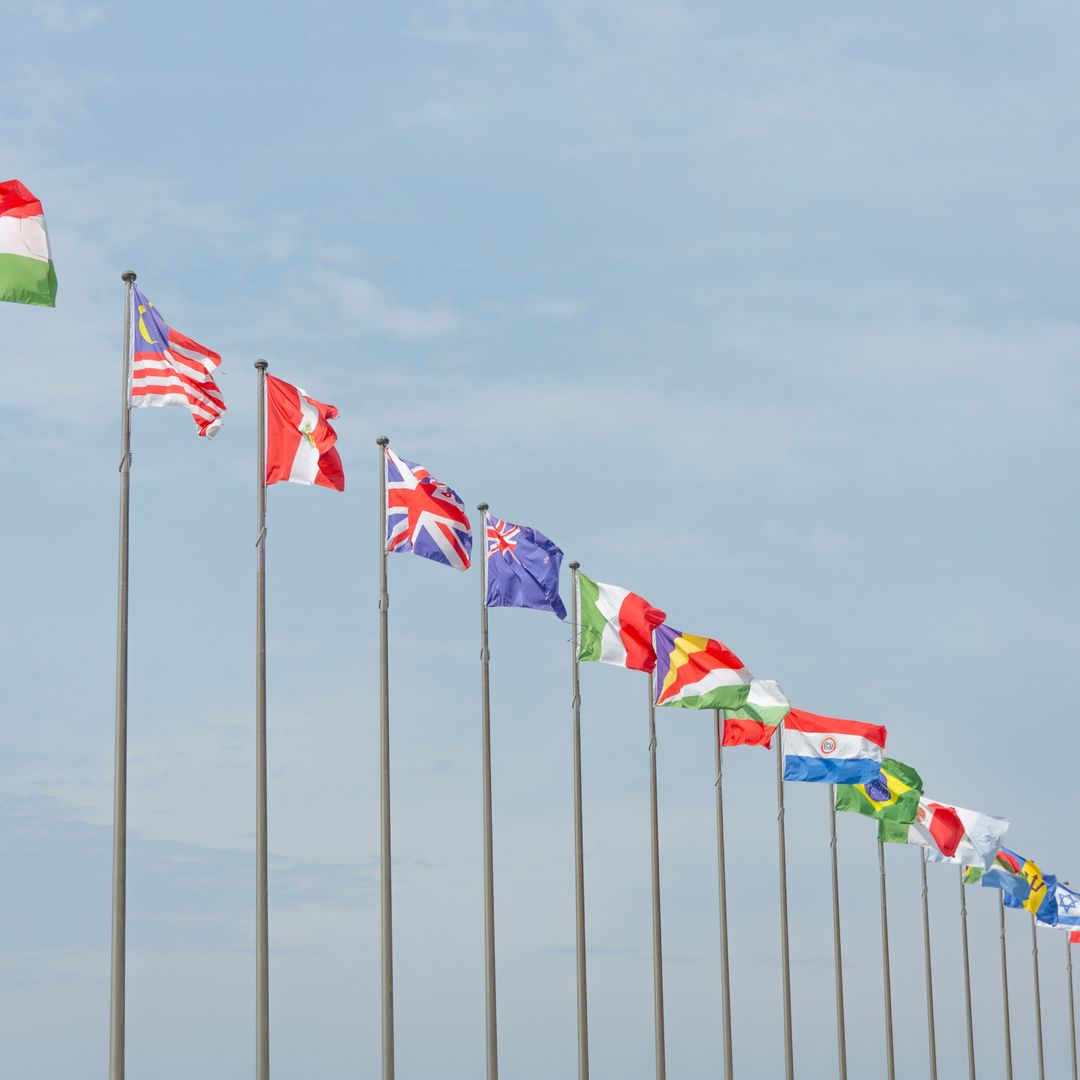
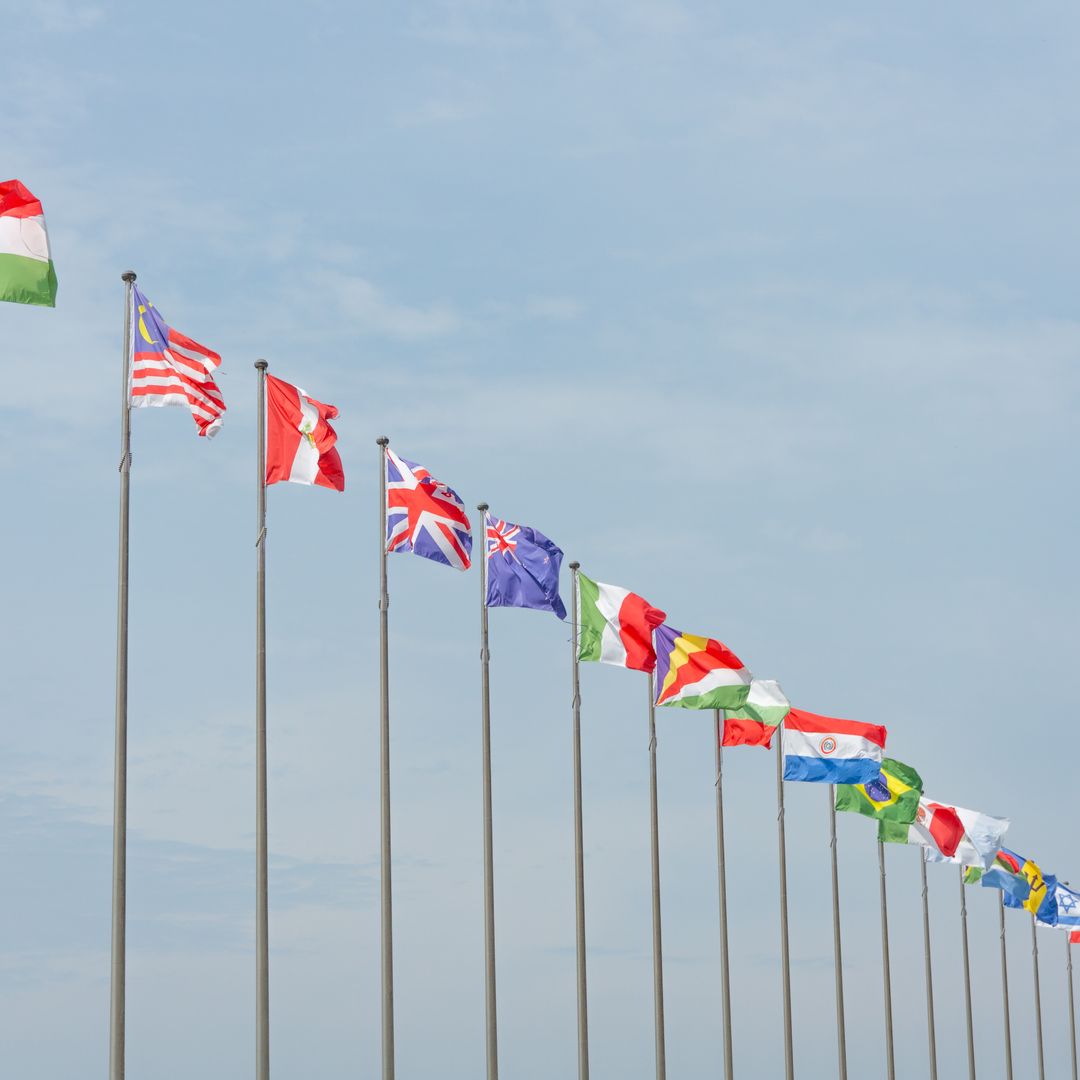
International Criminal Court Rulings and Global Legal Precedents
Legal standards established by judicial bodies such as the International Criminal Court often intersect with international private law when multi-national families face complex jurisdiction issues. Couples incorporating global assets or dual citizenships benefit from understanding how international tribunals influence family law recognition across borders.
While most local unions proceed through standard civil channels, recognizing broader international legal frameworks helps partners protect their rights. For those designing their celebration journey, exploring different Venues allows families to visualize spaces that accommodate guests traveling from various jurisdictions.
Legal Registration and Civil Procedures in Korea
Registering a marriage in Korea requires specific civil documentation from both partners, submitted to local district offices known as gu-cheong. Foreign documents typically need apostille certification or consular verification along with certified Korean translations.
The administrative process mandates verified proof of marital status and valid passports for foreign nationals. Couples can review comprehensive checklists inside the primary Wedding Guide to ensure no required civil form is missed during submission.
Ceremony Options and Cultural Integration
Selecting a ceremony format involves balancing traditional Korean customs with Western elements or religious traditions from the foreign partner’s home country. Many multicultural couples opt for hybrid ceremonies hosted at hotel ballrooms, traditional houses, or public civic spaces.
| Ceremony Type | Typical Guest Count | Venue Style | Customization Level |
|---|---|---|---|
| Hotel Ballroom | 200-500 | Indoor Luxury | High |
| Traditional Hanok | 50-150 | Cultural Heritage | Moderate |
| Small Chapel | 30-100 | Intimate Modern | Flexible |
Coordinating attire and styling requires booking professional services well in advance of the chosen date. Partners often schedule trial sessions for K-Beauty treatments to achieve their desired look for both engagement portraits and the ceremony day.
Budget Framework and Expense Management
Financial planning for cross-cultural celebrations involves accounting for venue rentals, catering fees, photography packages, and mandatory administrative translation costs. Establishing a clear expenditure cap prevents unexpected overruns during vendor selection.
- Venue and Catering: Consistently accounts for the largest share of the overall wedding budget.
- Documentation Fees: Covers apostilles, official translations, and embassy certification stamps.
- Attire and Styling: Includes dress rentals, tuxedo fittings, and specialized cosmetic services.
Once the formal events conclude, couples often evaluate relaxation itineraries. Reviewing curated recommendations for a relaxing Honeymoon helps partners unwind after months of intensive planning.
Timeline Coordination and Visa Handoff
Managing the preparation schedule requires synchronizing wedding dates with immigration requirements for the F-6 marriage visa application. Submissions must occur within designated validity windows of supporting civil documents.
- Gather birth certificates, police clearance records, and proof of income several months prior.
- Complete required health checks and language proficiency evaluations as mandated by immigration authorities.
- Submit the completed visa packet to the local immigration office immediately following civil registration.
Official Sources and Administrative References
Official statistical data regarding multicultural families and demographic trends are regularly published by Statistics Korea (https://kostat.go.kr/eng). Administrative guidelines for foreign residents and visa regulations are maintained and updated by Korea.net (https://www.korea.net).
Consulting these verified institutional portals ensures couples rely on accurate, up-to-date regulatory frameworks throughout their marriage registration process.
자주 묻는 질문 (FAQ)
What documents are required for international marriage registration in Korea?
Foreign nationals typically need a valid passport, an affidavit of eligibility to marry from their embassy or consulate, and a birth certificate bearing an apostille or consular verification.
How do international legal frameworks affect multicultural families in Korea?
While family law is handled nationally, understanding broader international legal principles assists partners when dealing with dual citizenship, multi-jurisdictional assets, or overseas recognition.
Where can official guidelines for the F-6 marriage visa be found?
Official regulatory details and policy updates are hosted directly on government portals such as Korea.net.
What is the typical timeframe for processing a spouse visa after registration?
Processing durations vary by regional immigration office workload, but applicants generally receive a decision within several weeks to a few months after complete document submission.
Are wedding venue contracts in Korea inclusive of catering?
Most major venues bundle rental and catering fees together, though independent options or small restaurant spaces may offer unbundled pricing structures.
Get in Touch
Have questions about your specific situation? Reach out anytime for a personal consultation.