
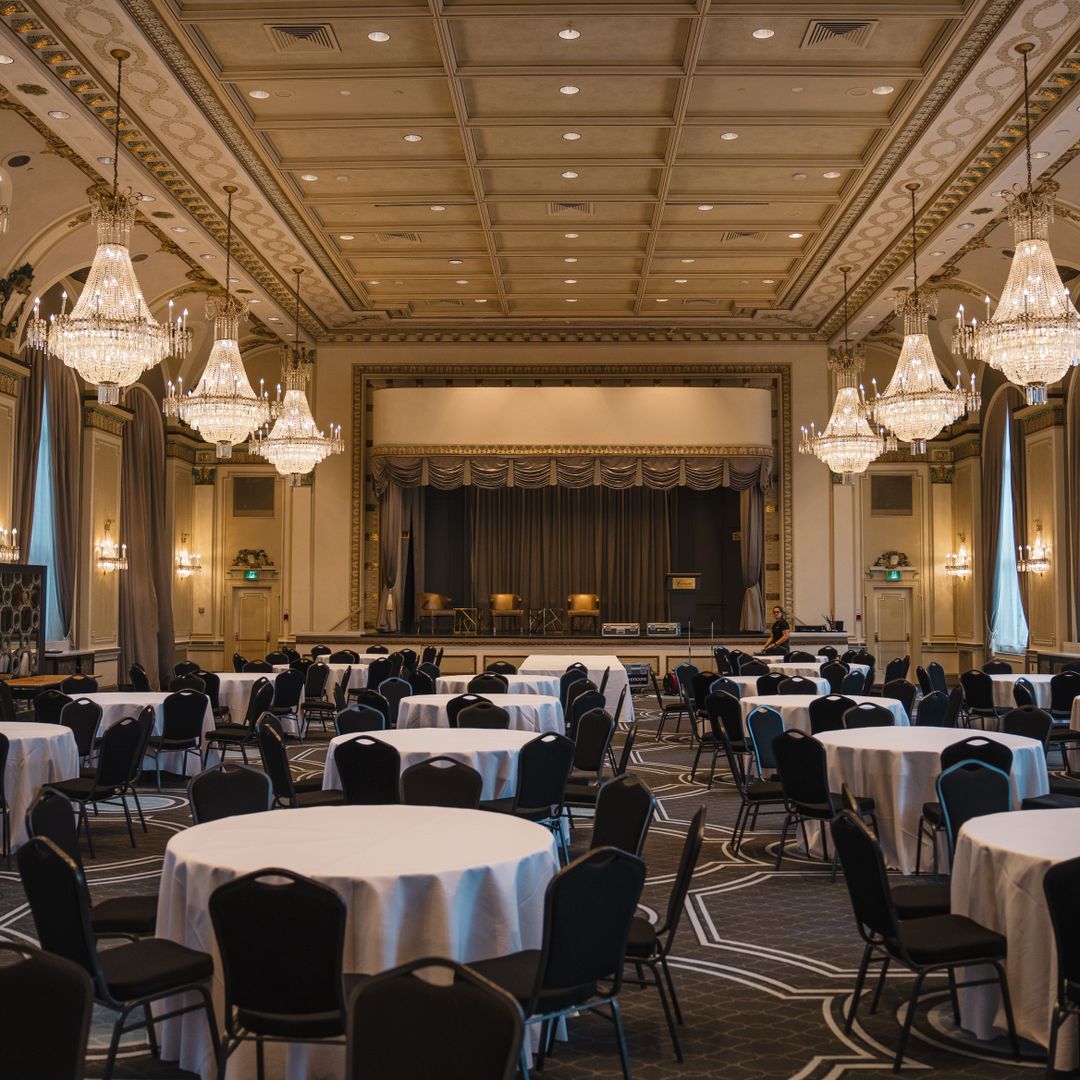

Deciding between a Hotel vs wedding hall Korea venue requires a balanced assessment of service expectations, guest capacity, and the overall atmosphere desired for an international ceremony. These two primary options offer distinct operational structures that influence both the planning process and the eventual visa documentation requirements for international couples.
Evaluating Ceremony and Reception Environments
Hotels typically provide a premium, long-duration experience, often characterized by a more relaxed schedule compared to standard venues. In contrast, dedicated wedding halls (specialized facilities designed for back-to-back ceremonies) operate on highly efficient, time-restricted rotations.
| Feature | Hotel Venue | Wedding Hall |
|---|---|---|
| Ceremony Duration | Flexible, often 3–4 hours | Fixed, typically 60–90 minutes |
| Atmosphere | Formal and private | High-energy and efficient |
| Catering | Fine dining (courses) | Buffet or set menu |
| Customization | High degree of flexibility | Standardized packages |
Selecting the right space is a foundational step in your Venues strategy. When considering these options, couples should also look at the broader Korea Culture to ensure the ceremony format aligns with both partners’ expectations and family traditions.
Legal Registration and Administrative Integration
Marriage registration in Korea is a distinct legal process that must occur independently of your ceremony choice. Regardless of whether you select a hotel or a specialized hall, your legal union is solidified through the submission of documents to the local gu-office (district office).
For international couples, this registration serves as the primary evidence for future immigration filings. It is essential to keep all contracts and receipts from your chosen venue, as these may serve as supplementary evidence of the relationship’s authenticity during the F-6 visa application process (the marriage-based visa for foreign spouses residing in Korea).
Financial Framework and Budget Allocation
Budgeting for a wedding involves more than just the facility fee, as service charges and tax often significantly increase the final total in hotel settings. A practical Wedding Guide approach is to compare the “all-inclusive” costs of a hall against the “a la carte” pricing often found in luxury hotel packages.
- Venue Rental: Hotels often charge high rental fees, whereas wedding halls may waive these if a minimum number of guests is guaranteed.
- Food and Beverage: Hotel costs are calculated per person with premium service, while wedding halls offer tiered pricing based on buffet volume.
- Decor and Flowers: Hotels permit extensive floral customization, which is often included or strictly limited to house styles in wedding halls.
- Photography: Some venues require the use of in-house vendors, which should be verified early in the booking phase.
Coordinating Timelines for Visa Documentation
When planning your timeline, it is important to sequence your wedding date in relation to your administrative requirements. According to data from Statistics Korea, the demographic trends for international marriages highlight the importance of early preparation for residency permits and legal status.
Many couples find that coordinating their ceremony and the subsequent Honeymoon with the legal processing windows helps reduce stress. Ensure that your venue contract dates are finalized well before your planned filing date with the immigration office. Official guidance on international marriage procedures can be found through Korea.net, which provides comprehensive overviews for foreign residents.
Streamlining the Marriage-Visa Handoff
The transition from a wedding ceremony to visa submission requires organized record-keeping. You should designate a secure folder for all wedding-related invoices, invitation records, and venue contracts. These documents effectively demonstrate the social and cultural integration of the couple, which is a key factor evaluated by the Ministry of Justice during visa reviews.
자주 묻는 질문 (FAQ)
Are wedding halls more cost-effective than hotels for international couples?
Generally, yes. Wedding halls operate on high-volume models with inclusive packages, whereas hotels cater to luxury, custom-designed events with higher service fees and food costs.
Does my choice of venue affect the F-6 visa application?
The venue itself does not dictate visa approval, but the documentation provided by the venue serves as evidence of a genuine, public marriage ceremony, which strengthens your application.
How far in advance should I book a venue?
It is recommended to secure your venue at least six to nine months in advance, especially if you are aiming for popular spring or autumn wedding dates.
Can I customize the wedding flow in a standard Korean wedding hall?
Standard wedding halls have rigid schedules to accommodate multiple ceremonies per day, making significant customization difficult compared to a hotel venue.
What documents should I save from my wedding venue?
Retain all signed contracts, payment receipts, and event programs, as these serve as official records of the ceremony’s location, date, and guest engagement.
Get in Touch
Have questions about your specific situation? Reach out anytime for a personal consultation.