
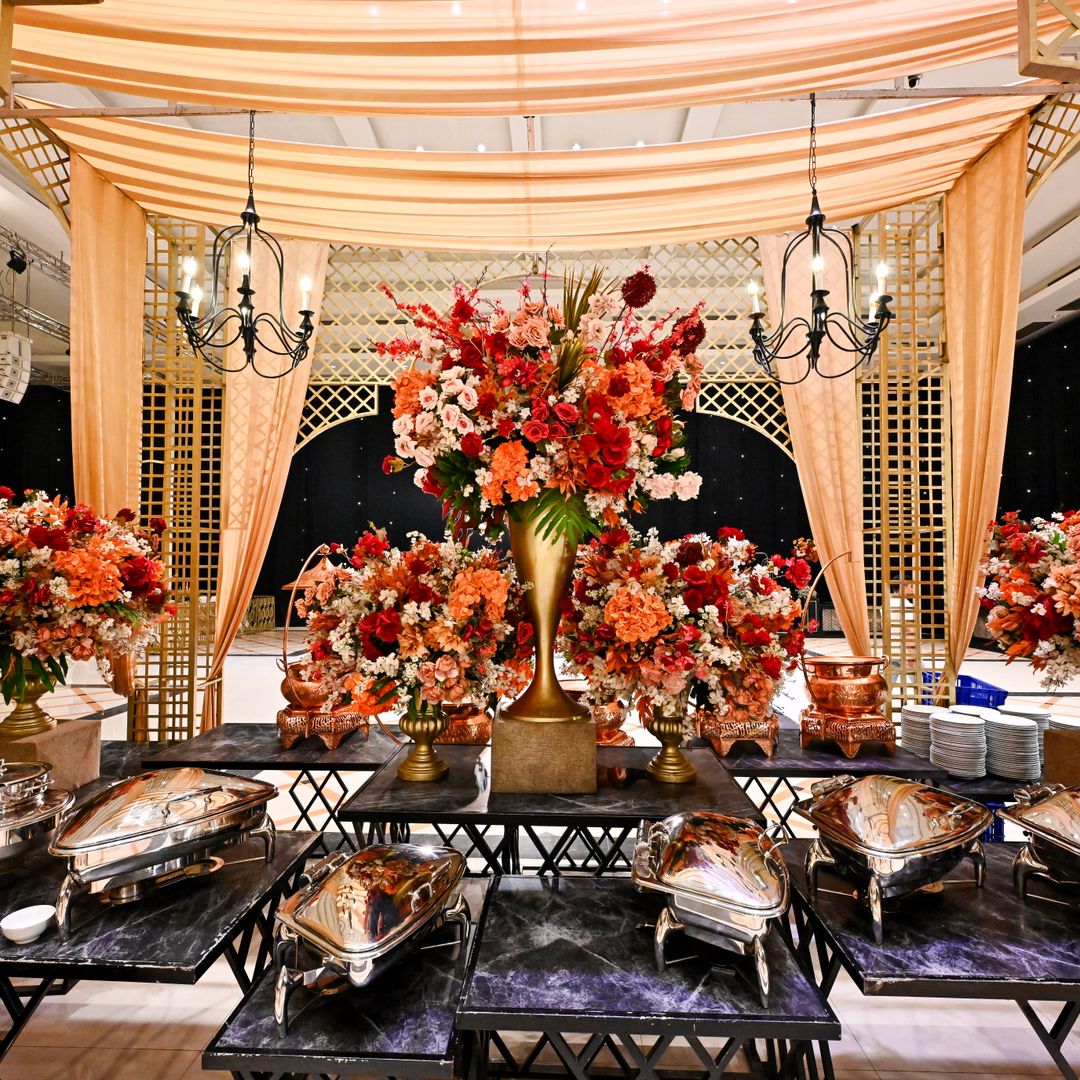

Meal Expense Inflation and Initial Financial Planning
The Korean wedding catering cost increase has altered how cross-cultural couples balance their celebration budgets alongside administrative obligations in Korea. Rising food service inflation has pushed average *식대* (sik-dae / per-plate meal fee) rates significantly higher across major urban venues.
Couples must now evaluate venue contracts early to ensure meal guarantees align with guest attendance and visa application budgets. Planning a cross-cultural wedding requires balancing these rising reception expenses with essential legal and immigration costs.
Legal Marriage Registration Procedures in Korea
Establishing legal marriage in Korea occurs independently from the wedding ceremony through local municipal offices. Partners must complete administrative filing at a local *구청* (gu-cheong / district office) before initiating spousal visa processes.
- Foreign Partner Documentation: Certificate of No Impediment to Marriage (*결혼구비증명서*) issued by their home country embassy, accompanied by a certified Korean translation.
- Korean Partner Documentation: Basic Certificate (*기본증명서*) and Family Relations Certificate (*가족관계증명서*).
- Filing Process: Both parties present valid passports and completed marriage notification forms to municipal clerks for processing.
Once processed, the local office issues a Marriage Relation Certificate (*혼인관계증명서*), which serves as official proof of marital status. This legal status forms the mandatory foundation for all subsequent visa filings and ceremonial arrangements.
Selecting Reception Venues and Catering Packages
Choosing an appropriate location involves assessing catering structures, guest capacities, and cultural accommodations. Couples looking at various Venues must evaluate whether buffet or plated meal services best suit their international guest list.
Some couples choose to integrate traditional customs such as the *폐백* (paebaek / post-wedding ceremony with traditional bow and tea service) into modern hall settings. You can learn more about Traditional elements to balance cultural heritage with contemporary reception costs.
| Venue Category | Average Per-Plate Catering Fee | Minimum Guest Guarantee | Key Features |
|---|---|---|---|
| Standard Wedding Hall | 70,000 to 90,000 KRW | 150 to 200 guests | Comprehensive buffet service with streamlined ceremony logistics |
| Hotel Venue | 120,000 to 200,000+ KRW | 200 to 300 guests | Plated western or course meals with extended rental times |
| Small / Outdoor Venue | 80,000 to 110,000 KRW | 50 to 100 guests | Customized catering options suited for intimate cross-cultural gatherings |
Budget Framework and Financial Coordination
Managing higher meal charges requires a clear budget model that accounts for monetary gifts and administrative fees. Guests in Korea traditionally provide *축의금* (chuk-ui-geum / monetary wedding gift) to help offset reception dining expenses.
For comprehensive financial planning strategies, consult our main Wedding Guide to structure your overall spending effectively. Understanding broader societal norms through Korea Culture resources also helps international families navigate gift-giving expectations seamlessly.
- Catering Allocation: Typically represents 50% to 65% of total venue expenditure.
- Administrative Reserve: Direct funds toward embassy fees, document apostilles (*아포스티유* / international document authentication), and official translations.
- Visa Support Funds: Maintain required bank savings thresholds to meet immigration financial sustainability requirements.
Standard Preparation Timeline
A structured timeline prevents administrative delays and ensures venue bookings align with document expiration windows. Preparing roughly twelve months in advance provides sufficient time for both legal registration and ceremony coordination.
- 10-12 Months Before: Secure municipal venue reservations, lock in meal pricing, and request home-country single-status affidavits.
- 6-8 Months Before: Complete legal marriage registration at the district office and gather income verification documents.
- 3-5 Months Before: Finalize guest RSVPs, confirm catering menu selections, and compile foreign spousal visa applications.
- 1-2 Months Before: Submit F-6 visa documentation to the Korea Immigration Service (*출입국·외국인관서*) and review final reception headcounts.
Marriage-Visa Document Handoff
Transitioning from ceremony planning to spousal immigration requires submitting verified documentation to immigration authorities. The F-6 visa (*결혼이민* / marriage migrant visa) grants legal residence and employment authorization in Korea.
The Korean sponsor must satisfy annual income thresholds established for household size as of 2026. Official proof of marital cohabitation capability and language competency must accompany the core legal certificates.
- Income Verification: Certificate of Income Amount (*소득금액증명*) issued by the National Tax Service.
- Housing Proof: Real estate lease agreement or certified property register (*등기부등본*).
- Language Requirement: TOPIK Level 1 certificate or completion of an approved Korean language educational program.
Official Government Resources
Couples should verify legal and statistical updates directly through official Korean government portals. Official economic indicators regarding consumer service pricing are published by Statistics Korea.
For official guidance on administrative policies and multicultural support initiatives, refer to Korea.net. Relying on verified governmental channels ensures compliance with current legal frameworks and visa standards.
자주 묻는 질문 (FAQ)
How does the Korean wedding catering cost increase affect overall wedding budgets?
Rising per-plate dining fees increase overall reception costs, requiring couples to lock in contracts early and balance venue spending with mandatory legal registration fees.
What key document is required to legally register a marriage in Korea?
Foreign partners must obtain a Certificate of No Impediment to Marriage from their embassy, translated into Korean, before submitting it to a local district office.
Get in Touch
Have questions about your specific situation? Reach out anytime for a personal consultation.