
Financial and Administrative Planning for International Couples
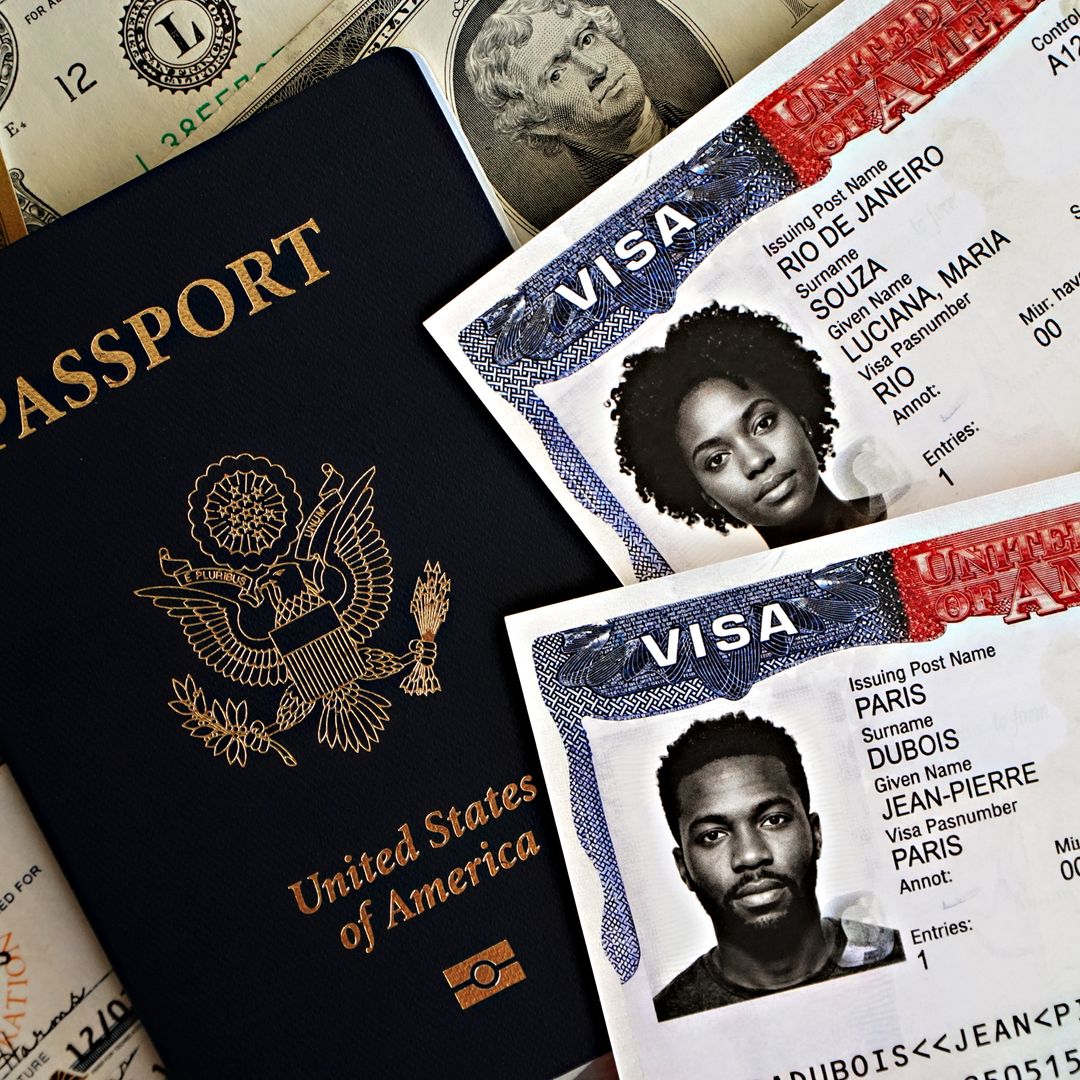
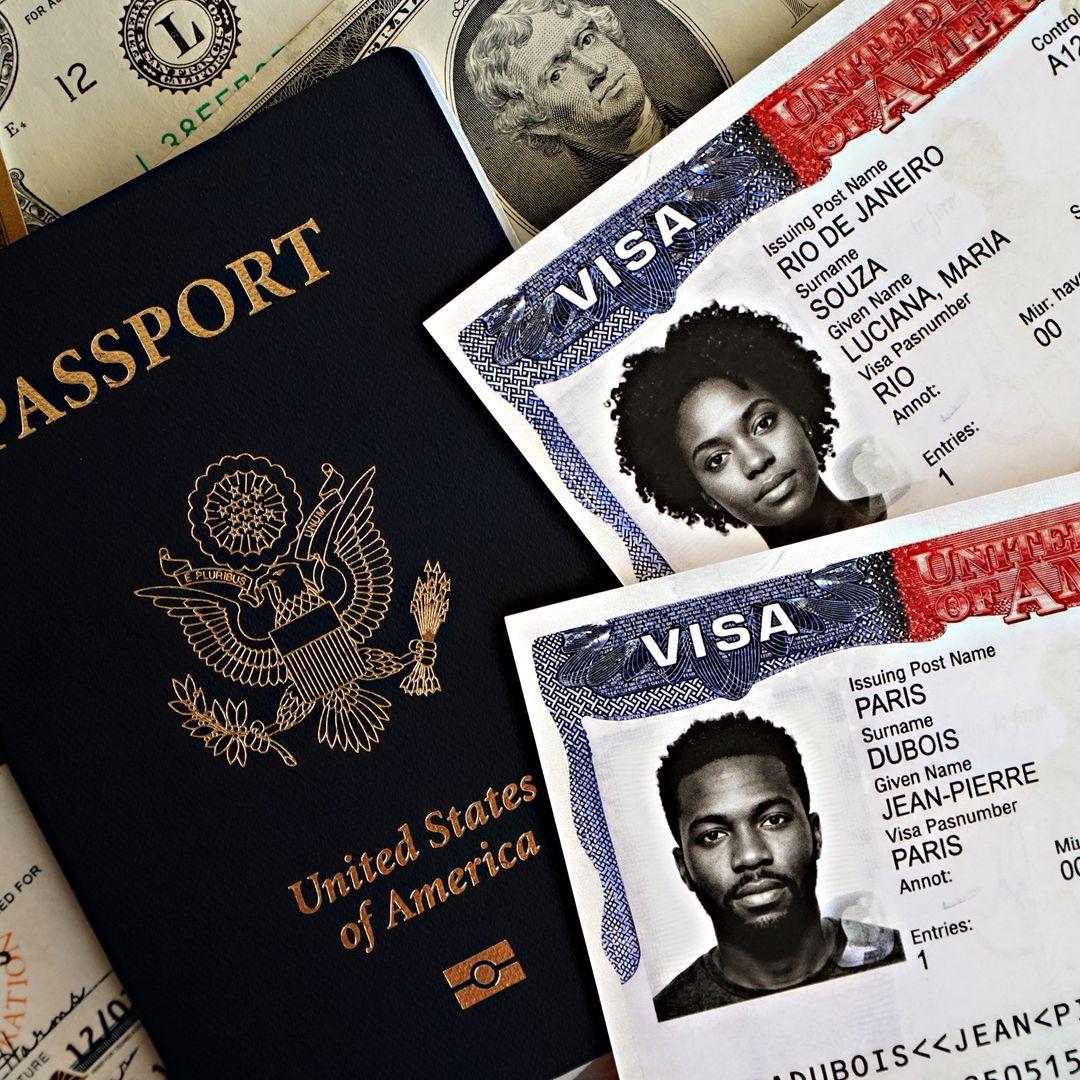
Visa application fee changes Korea 2026 require couples to adjust their financial planning early in the marriage registration process. Staying informed about government-mandated shifts in service costs ensures that documentation remains both accurate and adequately funded during the immigration filing stage.
Legal Registration and Documentation Standards
The legal foundation for an international marriage in Korea begins with the formal registration at a local district office (Gu-cheong). Couples must present valid identification, proof of eligibility, and notarized translations of essential documents to satisfy local authorities.
- Apostille Requirement: Many foreign documents must carry an apostille (a specialized certificate confirming the authenticity of a public document) to be recognized by Korean civil offices.
- Translation Accuracy: All foreign-language documents require certified translations into Korean to prevent processing delays.
- Witness Verification: Two witnesses are generally required for the registration process, often necessitating the presence of local residents or friends.
Ceremony Options and Cultural Integration
Couples may choose to host events ranging from intimate gatherings to large-scale hotel celebrations. Integrating elements of Traditional culture provides a meaningful way to honor local heritage while maintaining a modern ceremony feel.
| Ceremony Type | Primary Focus | Planning Complexity |
|---|---|---|
| Small Wedding | Intimacy and budget control | Low to Moderate |
| Hotel Wedding | Full-service convenience | High |
| Cultural Ceremony | Heritage and ritual | Moderate |
Professional Photography services are frequently booked months in advance to capture these milestones accurately. Utilizing a comprehensive Wedding Guide helps couples navigate these logistical choices effectively.
Budgeting and Resource Management
Effective financial management involves accounting for both administrative fees and ceremonial costs. Couples should monitor updates from Statistics Korea regarding national economic trends to better anticipate changes in living and ceremony expenses. For broader context on local customs and social integration, resources from Korea Culture remain invaluable.
- Administrative Costs: Fees for visa processing and document notarization.
- Ceremony Expenses: Venue rentals, catering, and attire.
- Contingency Fund: An allocation for unexpected document handling or travel requirements.
Marriage Visa Document Handoff
The transition from legal registration to visa application requires a methodical approach to document preparation. Applicants should verify current requirements through official platforms such as Korea.net to ensure compliance with the most recent immigration standards. Consistency between the data provided during the marriage registration and the subsequent visa filing is vital for a smooth review process.
자주 묻는 질문 (FAQ)
Where can I find the official current fee schedule?
Official fee schedules and application guidelines are published by the Ministry of Justice through the Immigration Office portals and Korea.net.
Does the marriage registration fee fluctuate?
While basic registration fees at local district offices are generally stable, administrative costs related to apostilles and visa processing can change per government policy updates.
How do I ensure my marriage documents are accepted?
Always verify that your documents are correctly apostilled or consular-certified and that all Korean translations are provided by a verified professional.
Are there specific budget items I should prioritize?
Prioritize the visa application fees, document translation services, and venue deposits as these are the most time-sensitive financial commitments.
Get in Touch
Have questions about your specific situation? Reach out anytime for a personal consultation.